ERP Modernization: Why Businesses Are Moving Beyond Legacy Systems

When you acquired your ERP, it was tailored to the needs of your business. As your company progressed and encountered new markets, channels, regulations, and the introduction of AI, your ERP has been updated or modified to accommodate these changes.
Many CEOs and CFOs are now starting to realize that ERP modernization has stopped being just an IT issue but has become an issue of utmost importance, as it raises the question of the capabilities of the platform which they use to manage finance, supply chain, and compliance in their company for the coming five years.
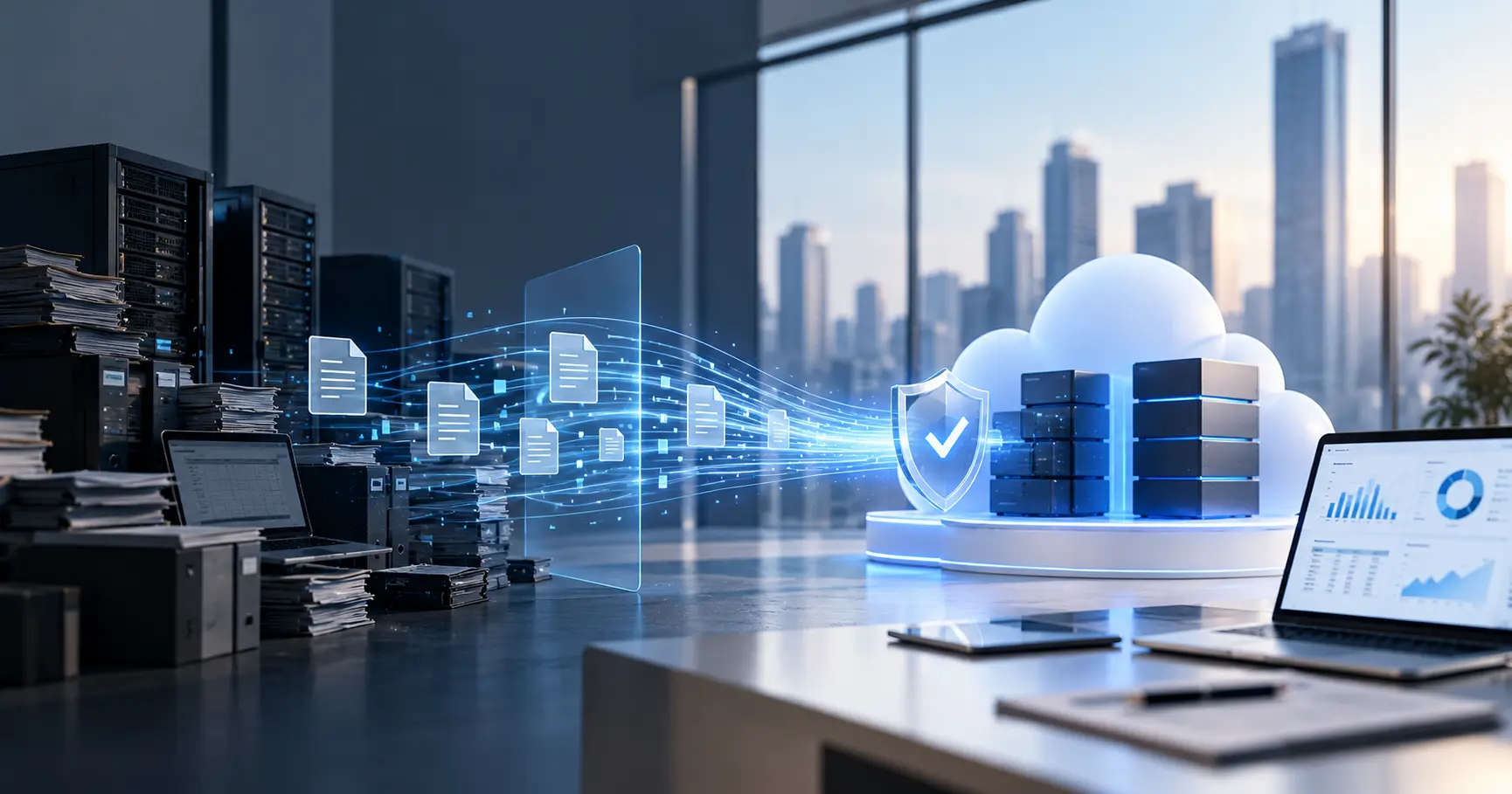
In short and simple terms, ERP modernization means updating the core system of an enterprise, so it enables businesses to conduct operations and use today's technologies while relying on clean and true data and having access to connected applications and AI.
What Is ERP Modernization, and How Does It Differ from an Upgrade or Migration?
ERP modernization implies the upgrade of an enterprise core platform of its business, so it becomes relevant to the ways and processes of the business. ERP modernization is something that relates to technology, data, processes, and integrations, not only software versions. It is easy to confuse ERP modernization with such terms as ERP upgrade and migration.
ERP upgrade means moving the same system to a newer release while leaving the company’s processes unchanged. On the contrary, ERP migration means the movement of data and processes to another platform, for instance, from a former system to the NetSuite system. The term ERP transformation refers not only to data and process redesign but also to the business operating model.
Why Businesses Are Moving Beyond Legacy Systems
Different factors draw companies’ attention nowadays. Vendor companies set the expiration dates, while maintenance for SAP ECC will finish in 2027.
Due to the disconnected modules, the teams have to do their accounting by hand, which takes time. Regulations are also changing all the time; therefore, legacy systems do not keep up. In addition, it should be mentioned that older technologies have become unappealing to new talents who prefer fresher and modern technologies.
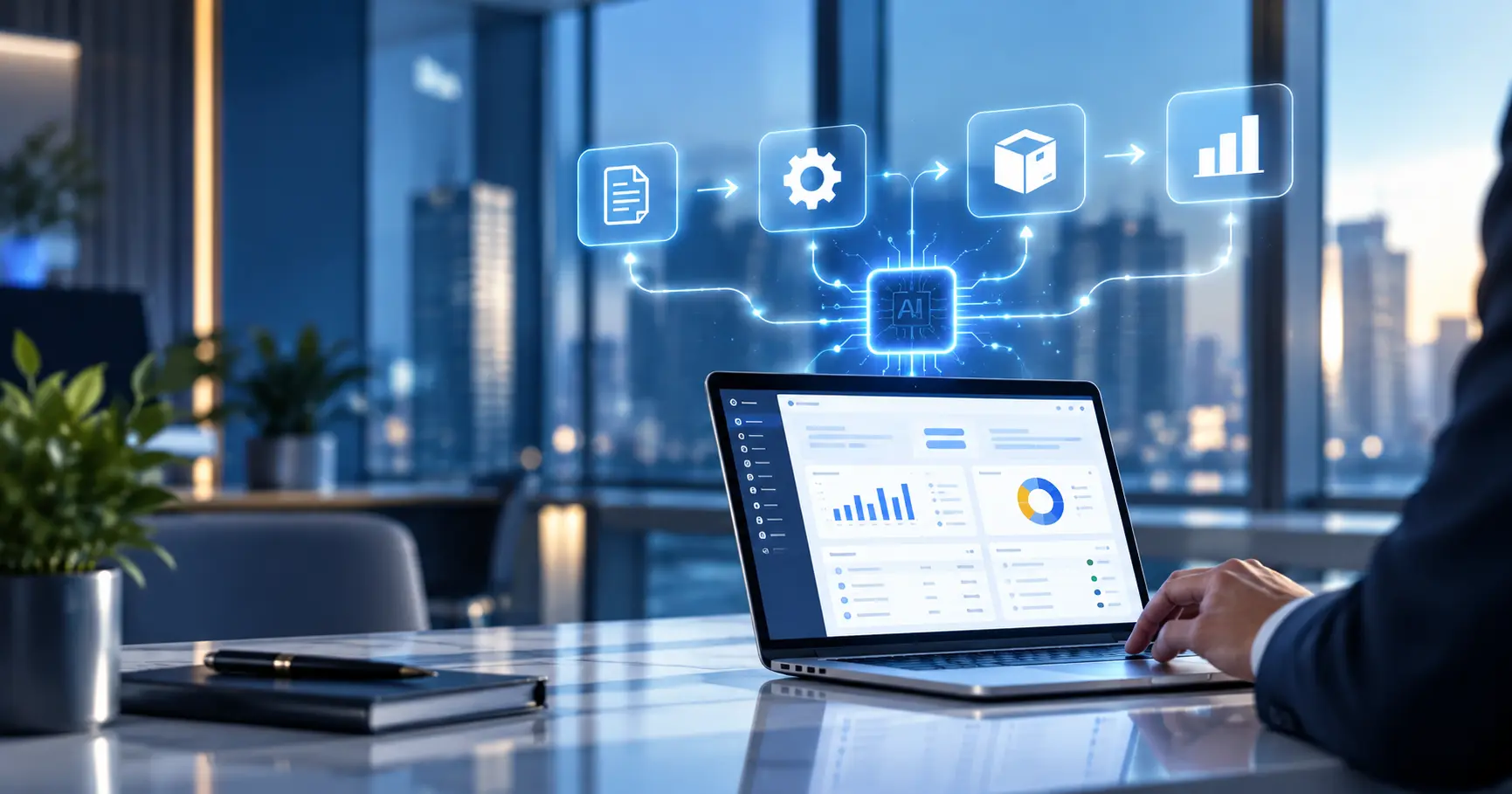
Artificial intelligence has an influence nowadays. For example, SAP Joule and NetSuite's Ask Oracle: both of them provide a lot of useful information regarding the company. However, one should keep in mind that AI is only as successful as the data it retrieves. The information from the legacy systems limits the efficiency of the AI technology implementation.
The Hidden Cost of Standing Still
Legacy ERP systems seldom break down throughout their lifecycle. They are trouble-free but drain money. The money required for maintenance is diverted from investment in the development of the organization, while heavy customization causes all changes to require a lot of effort and involve high risks.
The end of month close requires a lot of time, as data is stored in spreadsheets not involved in the current ERP solution. Knowledge of the ERP system is concentrated in the hands of a few old employees, which creates a risk related to the dependency on specific people. Support for security updates of old systems requires constant attention. Such costs will not be shown as a separate item in the report.
Choosing Your Path: Upgrade, Migrate, or Transform
The choice of the right solution depends on the distance of the current solution from the existing organization. If an ERP system could be considered good enough but has not been updated for some time, it can be upgraded.
However, one must find out how much customized code has been written, as this would influence the complexity of the process much more than the version would. In case the system restricts development, a new one can be chosen, and for ERP migration, consultants will help to diminish the risk of data loss.
The management must also determine if there will be changes in software used or changes in the processes of the organization.
What Successful ERP Modernization Looks Like
All successful programs have some common characteristics. They clean their data before it is moved; otherwise, the bad data will just be relocated, not eliminated. They stick to the core standard as closely as possible and push business requirements to the outskirts; this enables smooth new releases in the future and avoids problems.
They implement everything in phases by business unit, so that benefits are visible at once and the need for risk is minimized. They secure a sponsor who is responsible for achieving the results (not only the launch date). They plan their operations model ahead of time when the support management is ready to take over after the ERP implementation.
Questions to Ask Before You Approve the Program
-
What applies to vendor timelines and support dates regarding the system being used now?
-
What are the costs of our customizations in terms of maintenance and time?
-
How good is our master data and who has ownership of it?
-
Who is responsible for business results after launching?
Cinntra is an SAP Gold Partner and Oracle NetSuite Authorized Solution Provider and helps companies across India, the USA, UAE, Canada, and Africa with their modernization through regular data treatment, core standards, and the application of AI.
Schedule an ERP readiness evaluation with Cinntra to check the state of your system and see the optimum way to proceed. You can also explore ours ERP implementation services.


0 Comments