Free Tool

ERP Cost Calculator

Discover how much your ERP project is estimated to cost in less than 2 min for SAP Business One, Oracle NetSuite, Microsoft Dynamics, and others.

  • Instant estimate
  • No email needed
  • For USA only
  • All major ERP vendors are covered.
  • 100% Free
  • No SignUP
  • Instant Result
banner
Interactive Tool

ERP Implementation Cost Calculator

Answer 10 quick questions about your business and get an instant, customized estimate.

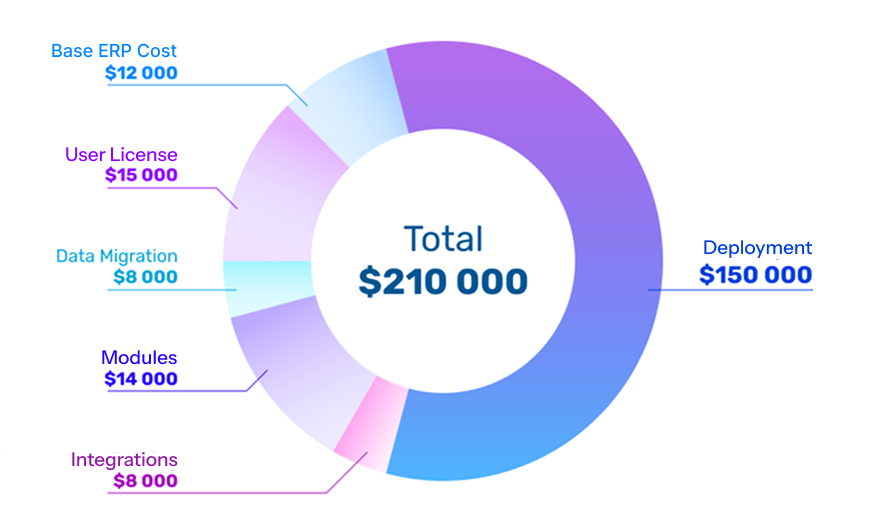
LIVE ERP ESTIMATE

ERP Cost Breakdown

Your estimate updates instantly after calculation.
ERP Cost Calculator

Calculate Your ERP Cost

50
9. Required integrations?
Methodology

How ERP cost is calculated

The engine relies on eight components used by ERP vendors and partners worldwide to plan and price their projects.

Users and licenses

License for named user vs. license for concurrent users. Each new user means additional license and support costs.

Chosen programs/modules

Every functional area (finance, manufacturing, WMS) means implementing new time and new license tiers.

Integration

Third-party connectors (EDI) require development and maintenance costs

Complexity of industry

Pharmaceutical, manufacturing, and healthcare industries are harder to configure.
cinntra image1
Company Size

Average ERP cost by company size

Ballpark figures based on Cinntra's implementation portfolio (2022–2026, USA market)

Startup
  • Employees 1–20
  • ERP Users 5–15
  • Implementation $15k–$35k
  • Timeline 2–3 Months
  • Support $3k–$6k
  • QuickBooks Odoo
Small Business
  • Employees 21–100
  • ERP Users 15–50
  • Implementation $30k – $80k
  • Timeline 3-5 Months
  • Support $6k – $18k
  • SAP B1 NetSuite
Mid Market
  • Employees 101–500
  • ERP Users 50–200
  • Implementation $75k– $250k
  • Timeline 5–9 Months
  • Support $18k – $60k
  • SAP B1 NetSuite Dynamics
Enterprise
  • Employees 500+
  • ERP Users 200–1,000+
  • Implementation $250k – $2M+
  • Timeline 12-24 Months
  • Support $60k – $300k
  • SAP S/4HANA Oracle ERP
Industry

Expenditure on ERP by industry

Different industries have different compliance rules and requirements for standardized modules.

Cost Range: $45k – $200k
ERP for Manufacturing

Implementing ERP systems in the manufacturing industry is complicated and costly due to the various systems used for MRP, BOM, shop floor control, quality control, and production planning.

Cost Range: $35k– $150k
ERP for Distribution

Business costs in the distribution industry depend on the features of the system, including a multi-warehouse system, lot tracking, EDI, and carrier integration.

Cost Range: $70k – $300k
ERP for Automotive

Factors affecting ERP costs in the automotive industry include IATF requirements, BOM complexity, use of aftermarket parts in the business, and supply chain tracking.

Cost Range: $80k – $350k
ERP for Pharmaceutical/Life Science

ERP costs in the pharmaceutical/life science industry are affected by GxP compliance, batch tracking, 21 CFR Part 11 requirements, and validation documentation.

Cost Range: $30k– $120k
ERP for Retail

Retail ERP systems need integration with POS and other systems like Shopify, which are used for e-commerce synchronization and inventory control.

Cost Range: $60k – $280k
ERP for Healthcare

Healthcare ERP costs depend on compliance with HIPAA regulations, EMR integration, patient billing, and the audit trail features.

Cost Range: $40k– $160k
ERP for Food and Beverages

ERP features required for the food and beverage industry include lot tracking and recipe management.

The Cinntra Difference

No costs are hidden. Everything is clearly communicated at the beginning of the project.

Most ERP providers charge only for the software license, leaving customers to deal with hidden implementation prices, which can be significant for businesses. This is not the case with Cinntra’s itemized breakdown of all offerings before signing the contract.

Cinntra pricing model

Cinntra provides clients with an accurate Statement of Work containing all costs affecting the project before its start – including costs of software purchase, implementation, training, data migration, and other areas.

1

Data Migration & Cleansing

Cinntra assesses the state of the client’s existing data being transferred in order not to send clients unexpected evaluations.

2

User Taining

The schedule of training sessions is always clearly outlined in the project plan so there are no hidden fees after project completion.

3

Change Management

Process redesign, stakeholder alignment, and adoption assessment are parts of each Cinntra implementation.

3

Integrations

Every connector is professionally examined during the initial phase and is charged for in the first proposal without any surprises anymore.

5

Third-Party Licenses

When it comes to 3rd party licenses, all required tools are identified at the stage of project implementation, leaving no room for surprises in the future.

6

Testing & QA

Our project schedule includes certain milestones to conduct unit tests, integration tests, UAT (User Acceptance Testing) cycles, and performance tests instead of performing these tests during the final stages of the project and without properly communicating them to the client.

7

Go-live & Hypercare

For the 4-8 weeks following the go-live date of the project, we have a team of dedicated hypercare staff. Moreover, before you make a payment for the first ticket, you need to know how much you are going to pay for the hypercare support.

8

Annual Support & Upgrades

There are no unguided escalation clauses or unexpected fees for upgrades in any of our fixed annual managed support contracts. You know what the costs for Year 2 and Year 3 will be before signing the Year 1 contract.

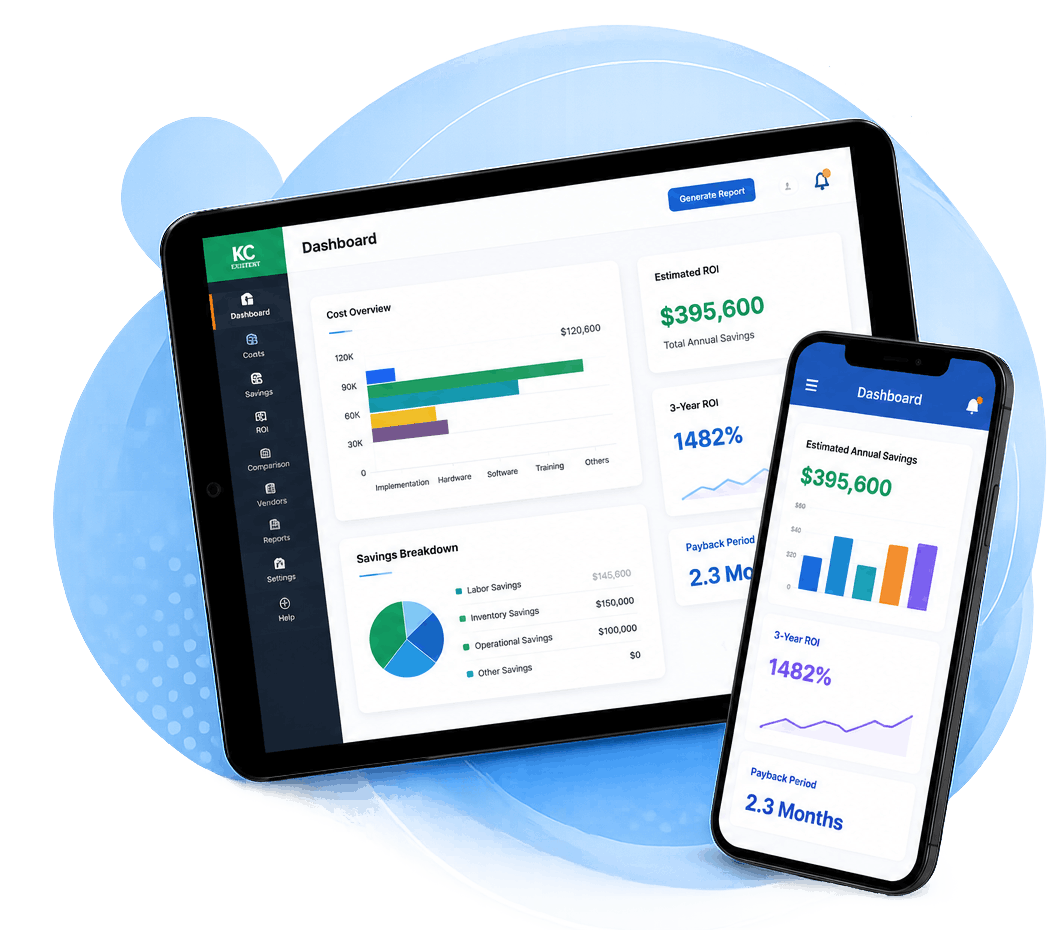
ERP ROI Calculator

Calculate Your ERP Return on Investment

Estimate your annual savings, payback period and 3-Year ROI within seconds.

Your Current Operations

Estimated ROI

Annual labor savings (40% efficiency gain)

$145,600

Inventory reduction savings (15%)

$150,000

Revenue growth (2% better visibility)

$100,000

Total annual savings

$395,600

Payback period

2.3 Months

3-Year ROI

1482%

Client Success Story

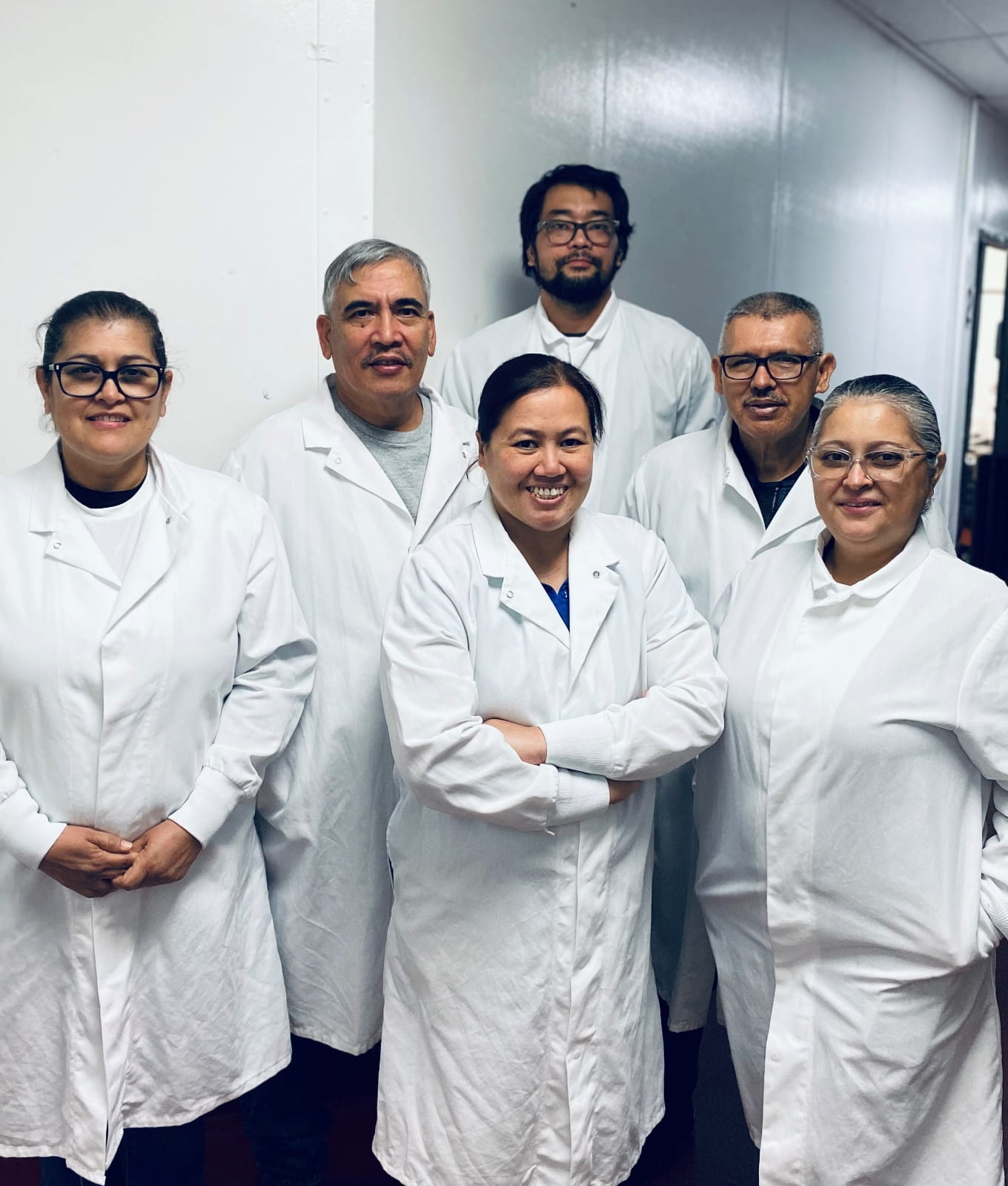
Real implementation: A.I. Foods Corp

AI Foods
AI Foods Corp

Leading Filipino & Asian food manufacturer, wholesaler and importer operating across Los Angeles and Montebello, California.

AI Foods Corp operates USDA-certified processing facilities and manages well-known brands including Gold Medal, Lasa Kitchen, and Orient Gourmet. The company maintains strict compliance with GFSI, USDA, FDA and FSMA standards while serving the growing Asian food market in the United States.

  • Industry
    Food & Beverage
  • ERP
    SAP Business One
  • Modules
    Finance, Inventory, Production, Quality
  • Compliance
    GFSI • USDA • FDA • FSMA
  • Deployment
    Cloud (HANA)
  • Locations
    Los Angeles & Montebello, CA
  • Go Live
    On Schedule • Within Budget
  • Challenge
    Disconnected systems & Manual Lot Tracking

Business Outcomes Achieved

01

Lot Traceability

End-to-end lot tracking implemented for raw materials and finished goods across all brands while meeting GFSI and FSMA requirements.

02

Real-Time Inventory

Live inventory visibility eliminated manual stock reconciliation and improved inventory accuracy.

03

Financial Reporting

Consolidated financial reports enabled faster month-end closing with automated reporting.

04

Profitability Insights

Improved co-packing costing and SKU-wise profitability analysis for Gold Medal, Lasa Kitchen and Orient Gourmet.

GET STARTED

Need an Accurate ERP Quote?

Our consultants have scoped and delivered 150+ ERP projects across manufacturing, distribution, pharma, and retail. We'll give you a real number, not a range.

Free 45-minute assessment
No commitment required
Vendor-neutral advice
USA • India • UAE Coverage

Do you have an ERP challenge,
an AI vision, or just want to get in touch?

Let's talk about your transformation journey.